Trip - Planner
Number of items:
Length of route:
There was a problem with server connection. Please, try again.
The maximum number of added points can not be greater than 20
Do you want to add {0} POIs to planner?
You did not enter a name tour
None journey points set
Zapis wycieczki zakończony powodzeniem.
Zapis wycieczki zakończony niepowodzeniem. Spróbuj ponownie.
The content of the agenda will be replaced. Do you want to continue?
Are you sure you want to delete the contents of the agenda?
Do you want to save trip?
Do you want to remove selected trips?

If You remove your account You will loose all your trips.
Are You sure You wish to remove your account?
Switching your account will remove connection with currently used social portal.
Are You sure You wish to switch your account?
Sign in with your Facebook profile
Sign in with your Google+ profile
Use this site without signing in
Saved data will be accessible only on currently used computer and browser
logo
| Start | |||
| End |

Are you sure you wish to remove current search area?


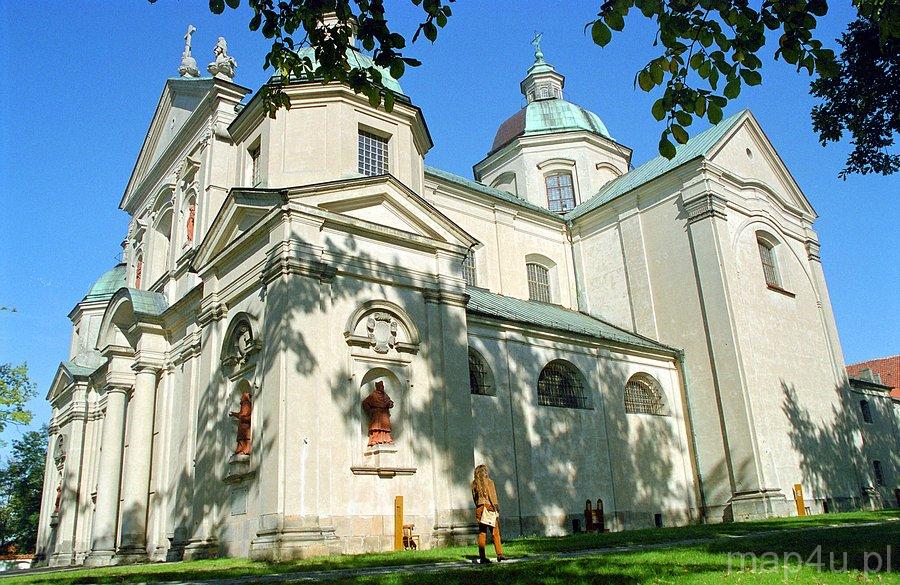
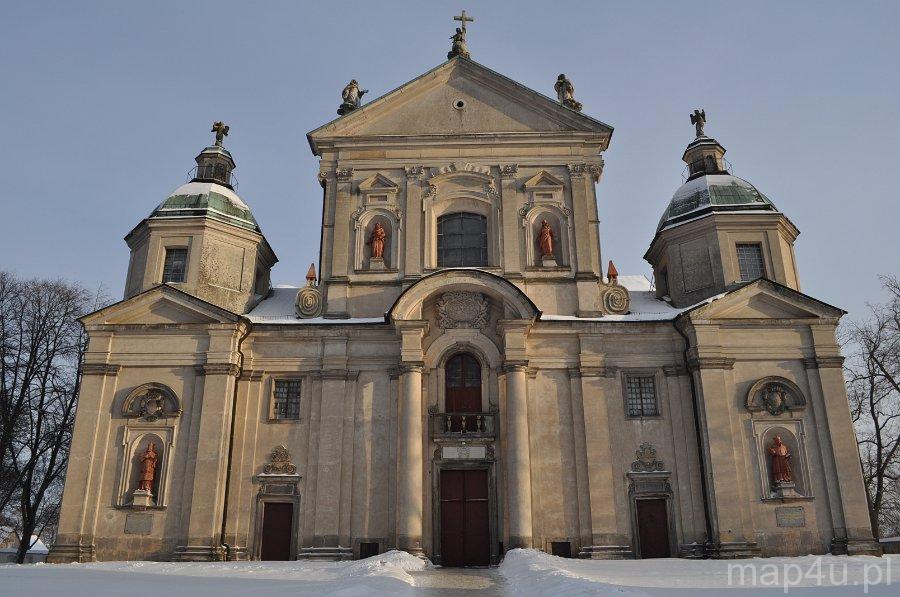
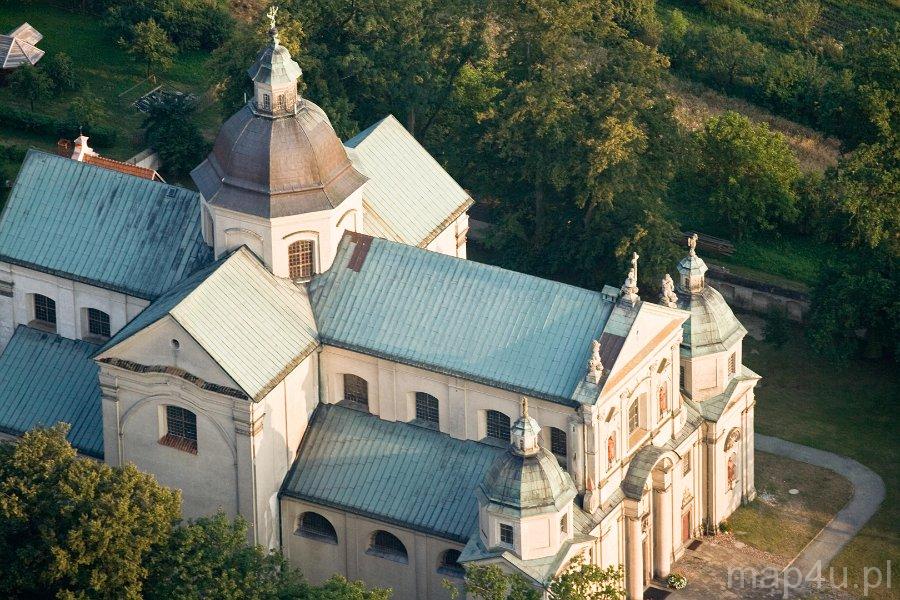
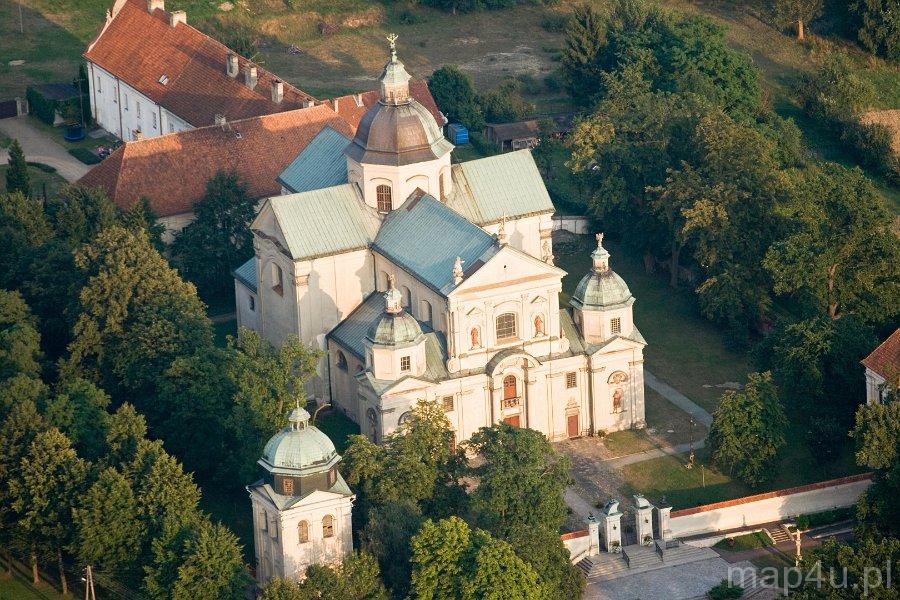
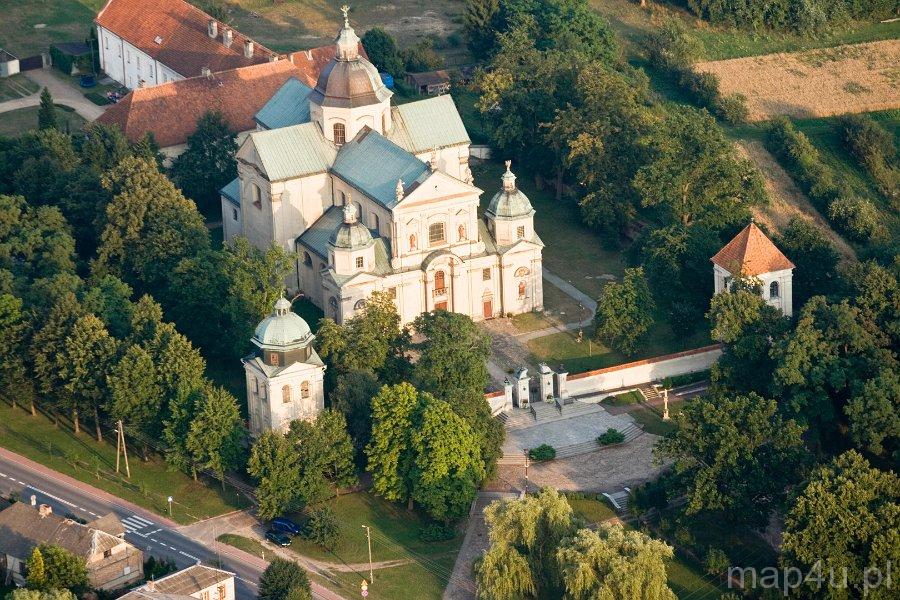
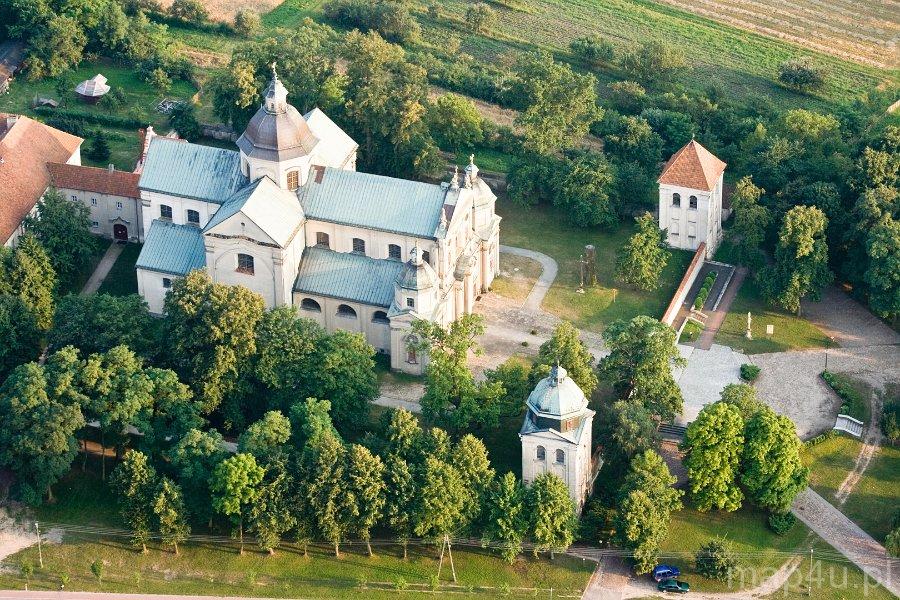
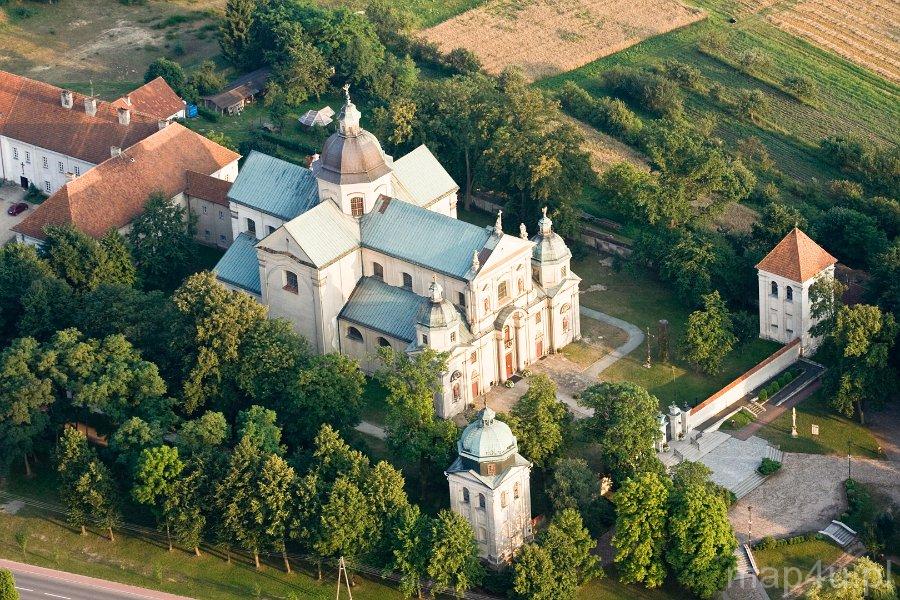
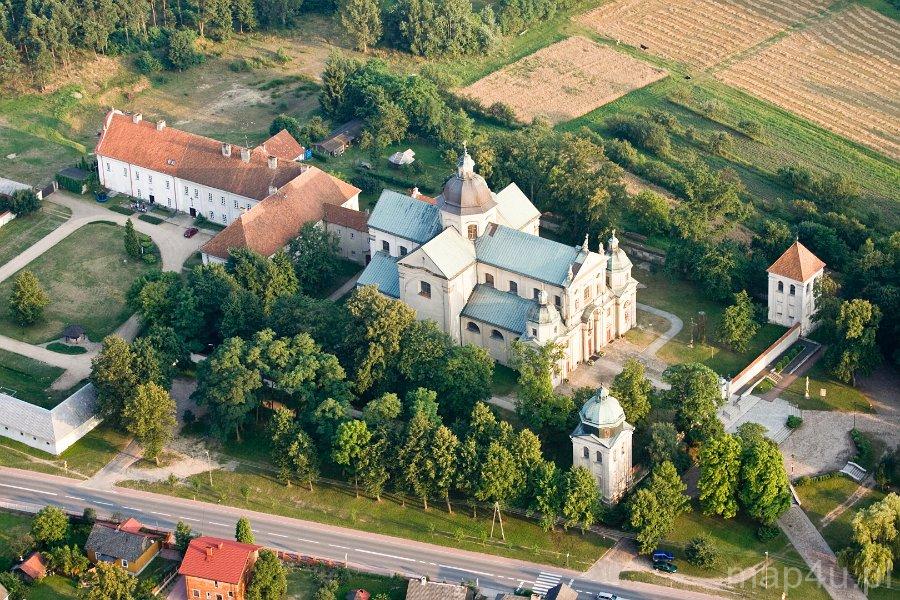
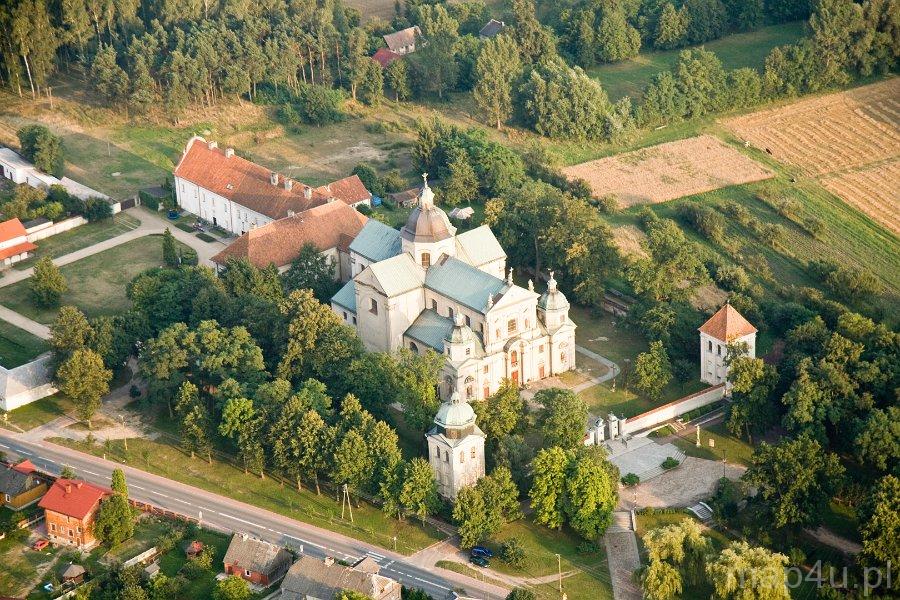
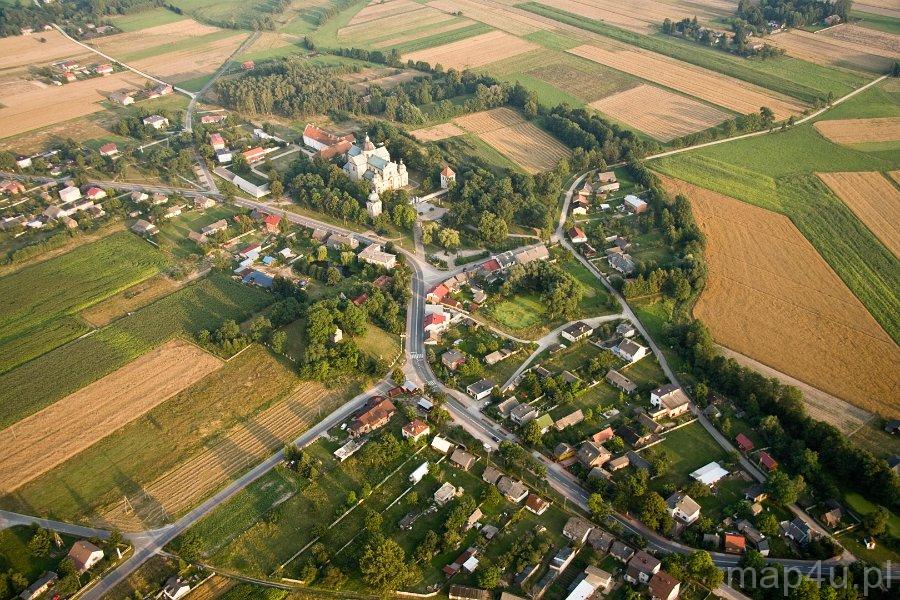
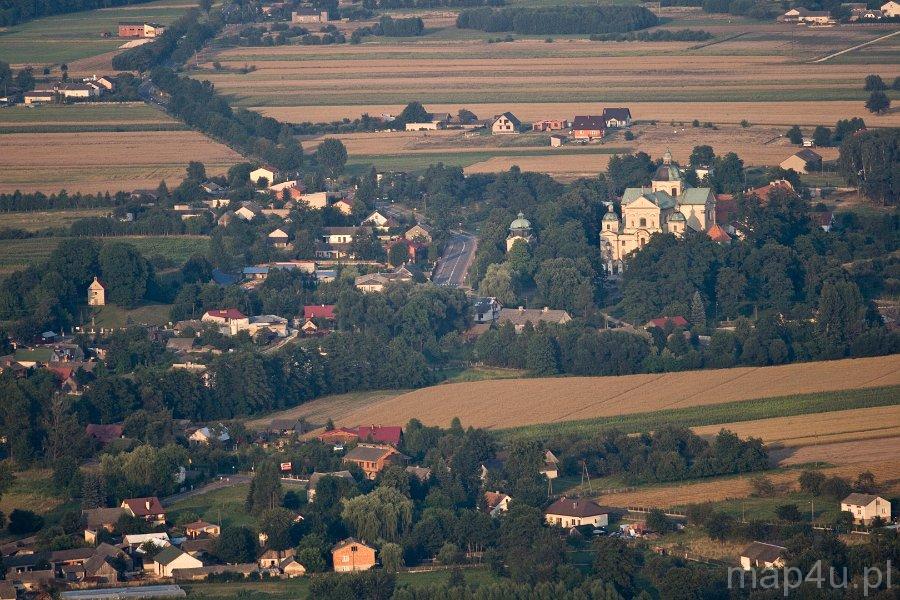
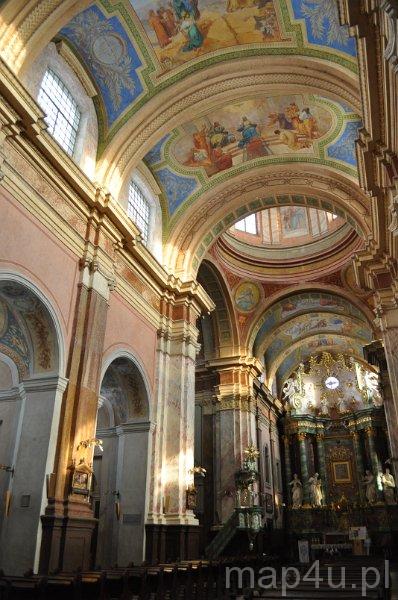
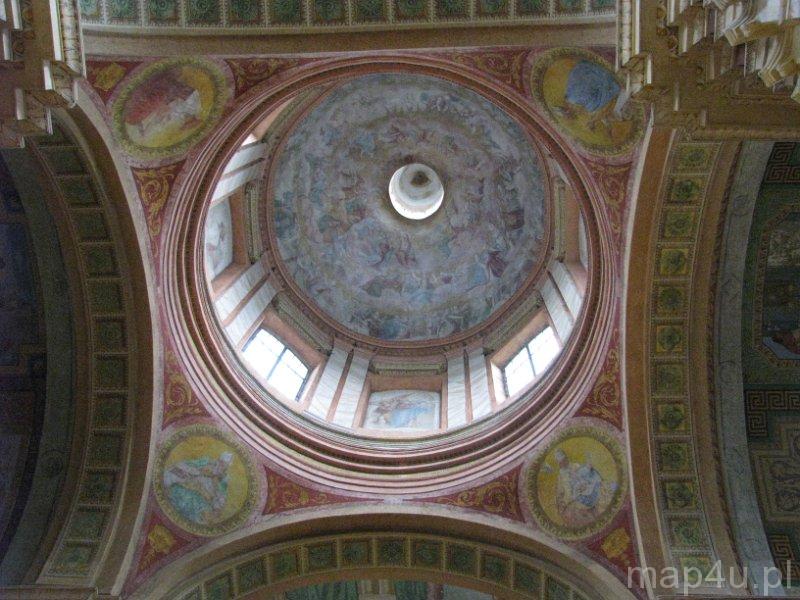
The main part of the Oratorian monastery complex in Studzianna-Poświętne is the large baroque cruciform St Philip Neri and John the Baptist's Basilica. The brick temple is three-nave and covered with a a large dome topped with a lantern.
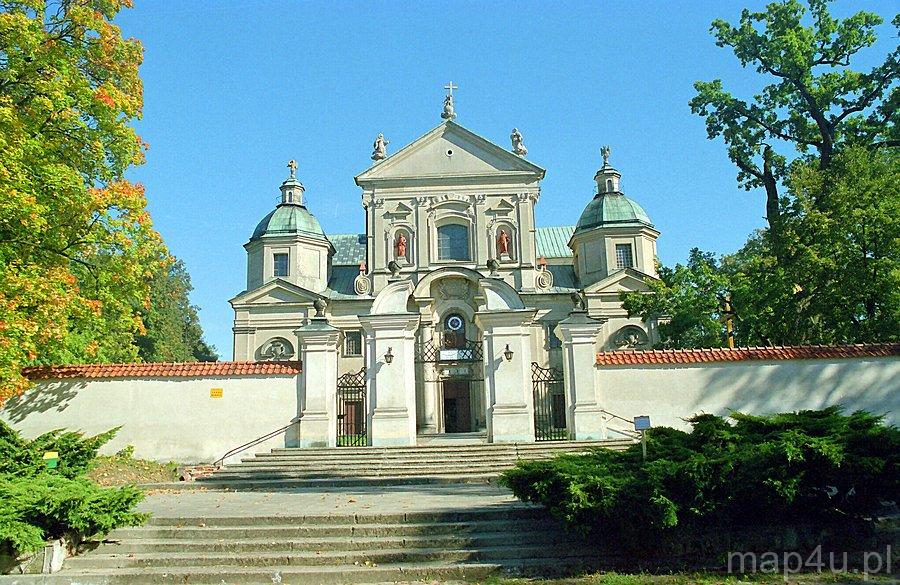
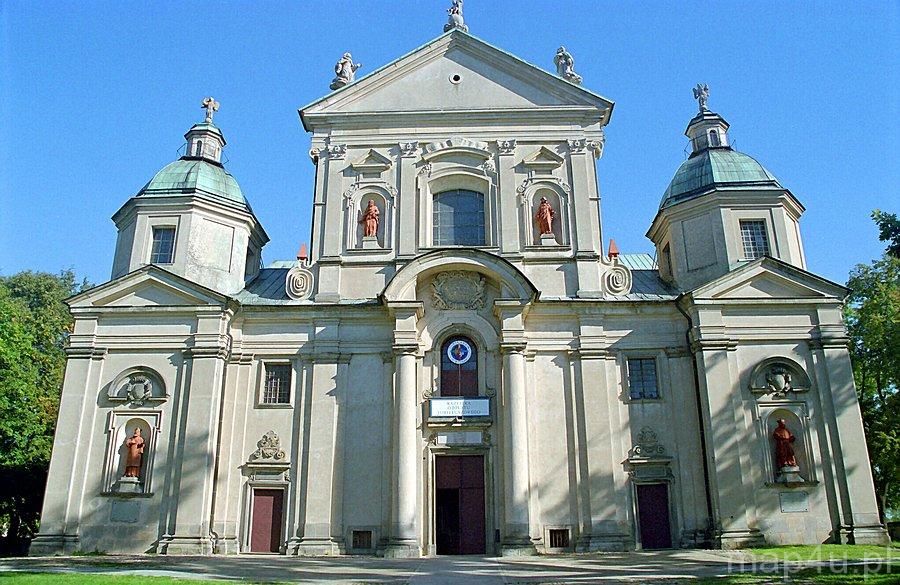
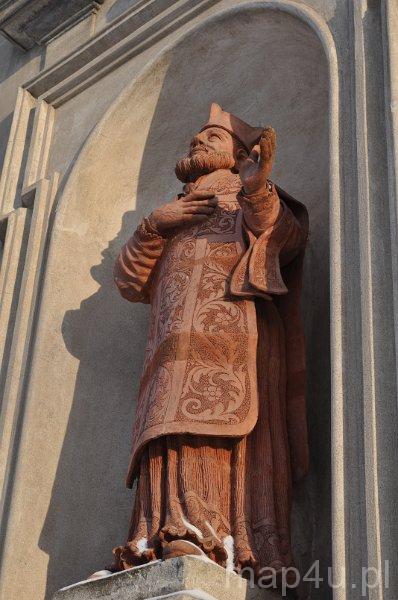
The first element which attracts the visitors' attention is the richly decorated three-storey façade. In the lower niches there are statues of the guardians of the church - the Oratorian priests. The higher niches are decorated with the statues of St Joseph and St Mary. At the top of the pediment there is a sculpture of Jesus Christ as the Child standing on the globe and holding a cross. The whole frontage is also decorated with pilasters and a centrally placed stained-glass window which is a copy of the miraculous painting of the Holy Mother of Studzianna. Above the main entrance and a small balcony there is a founding plaque depicting two cherubs holding an oval shield with the inscription "Jesus, Mary, Joseph". At both sides of the frontage the are chapels covered with domes with lanterns topped with statues of angels.
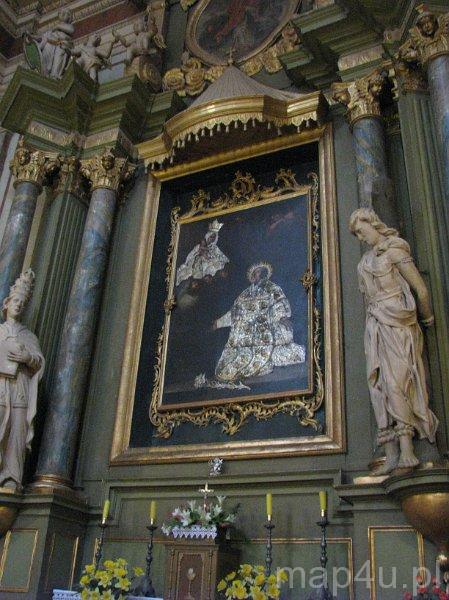
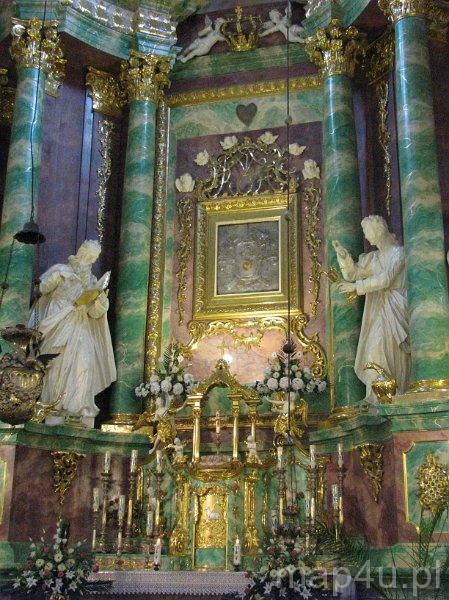
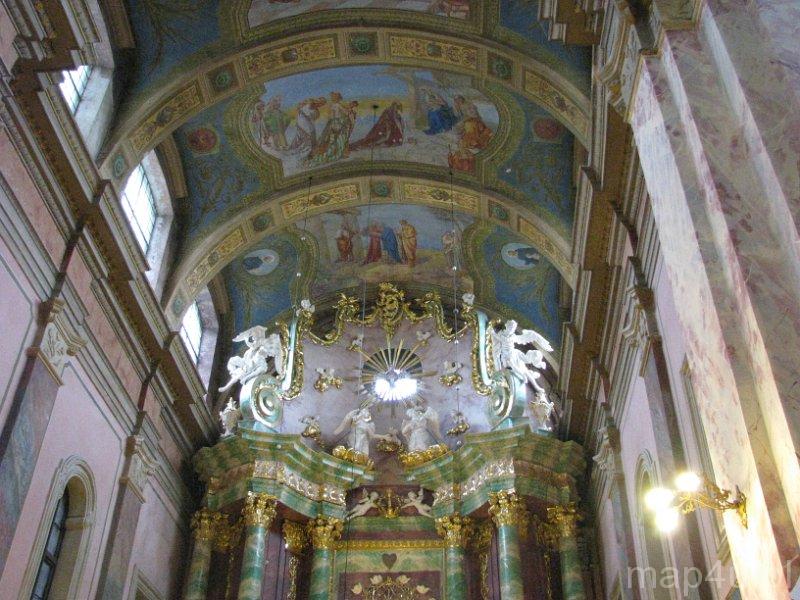
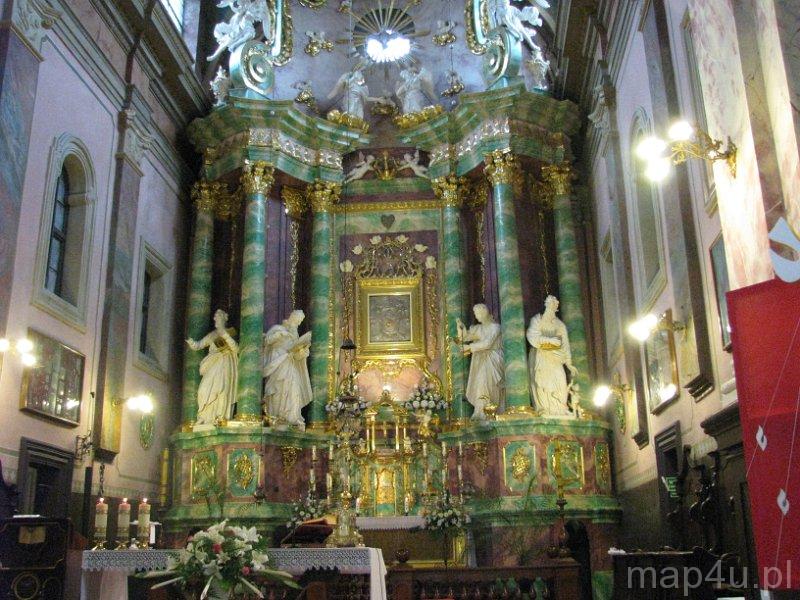
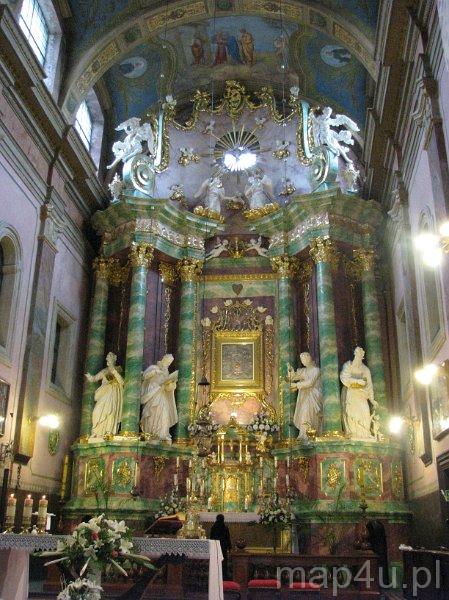
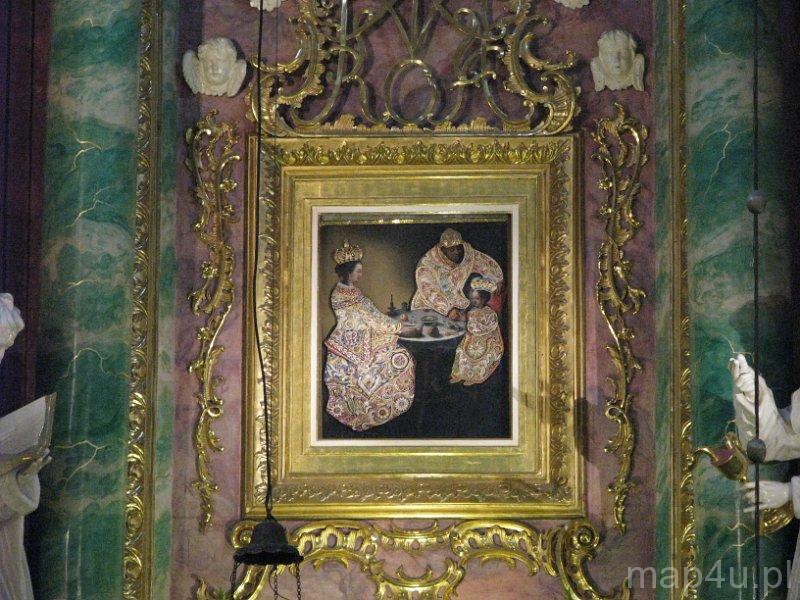
The interior of the basilica astonishes with its size and spaciousness. During the Masses, there is enough room for around 3500 standing people. The height of the temple, measured from the floor to the cross on the top of the main dome, is 45 m. Inside, there are 11 baroque altars with rococo elements. At the main altar, between Corinthian columns, which are 5 m heigh, there is the miraculous painting of the Holy Mother of Studzianna depicting the Holy Family of Nazareth during a supper. The late baroque St Philip Neri's altar in the south part of the transept is also noteworthy.
Above the large vestibule serving as the narthex there is a gallery with the 18-voice organ probably from the 19th century.
The inner walls of the temple are covered with sumptuous polychrome, most of which was made in 1904-1907 by a Cracow painter named Niziński. The paintings at the inner side of the dome are especially noteworthy. They were made by Adam Swach at the beginning of the 18th century.
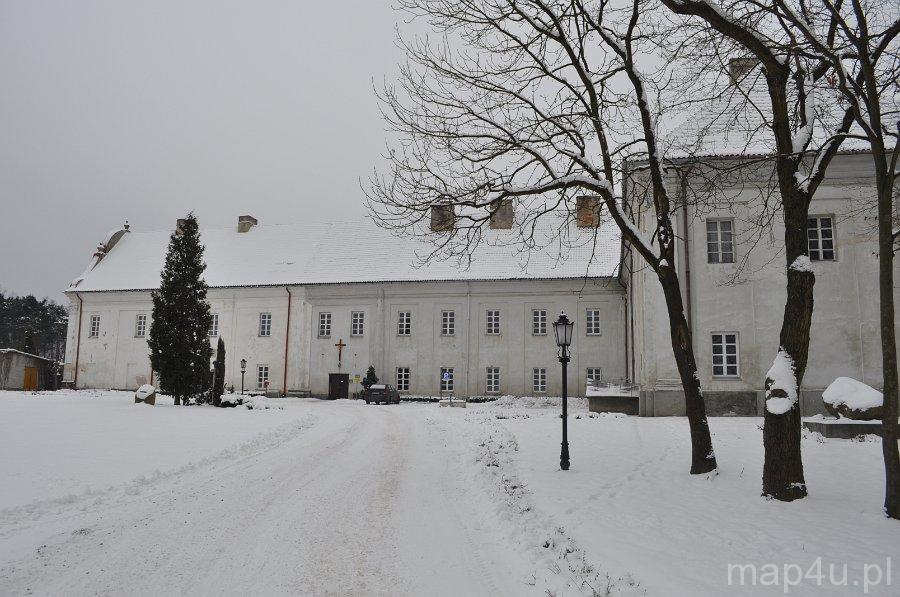
The back of the basilica is adjoined to the monastery, an L-shaped double-storey building, covered with a gable roof. Its front façade is topped with a baroque gable and decorated with pilasters and late baroque portals. In front of the building there is a large square with a historic well.
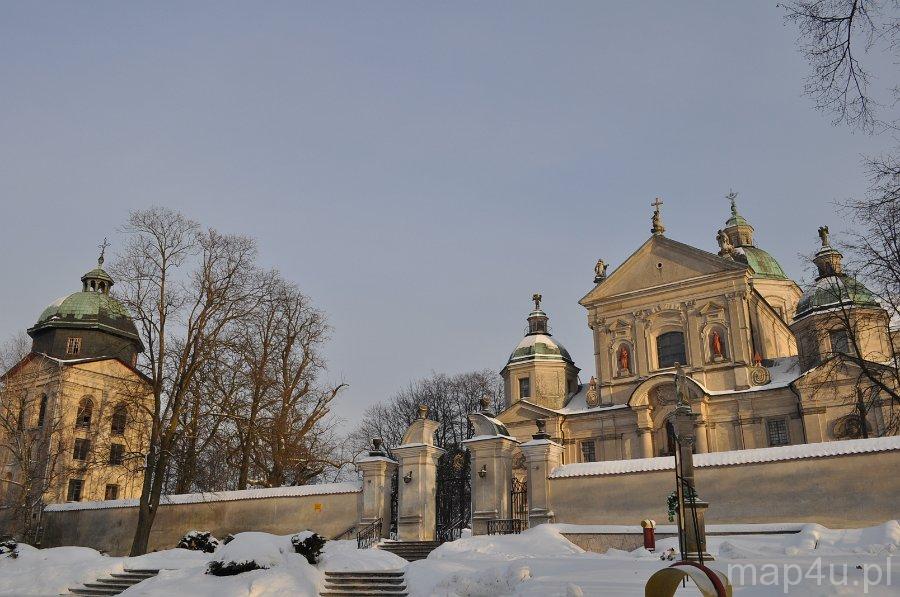
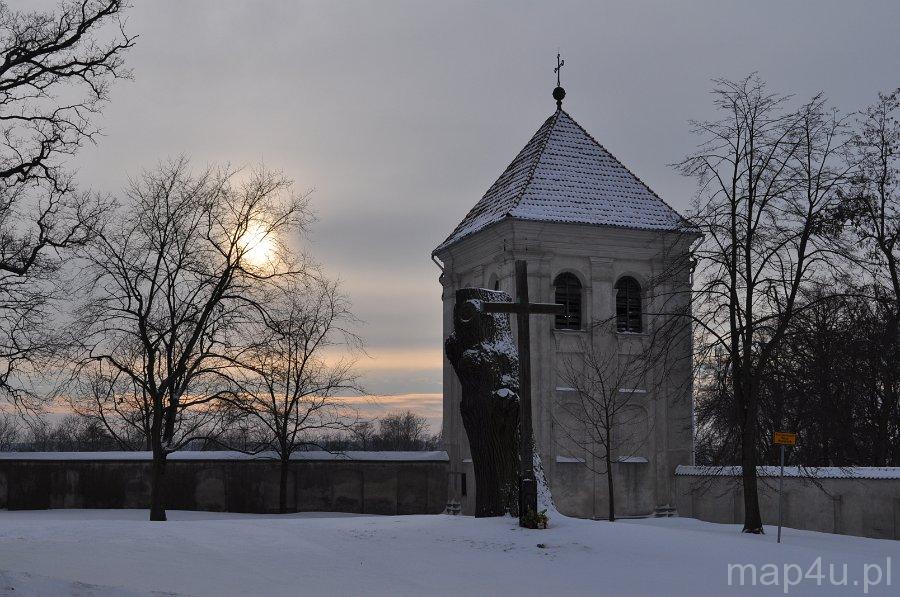
The whole monastery complex is surrounded by a wall. At the south west and north west corners there are two three-storey buildings. The first one is a 19th-century bell tower with three bells, covered with a pavilion roof. The oldest bell is dated back to 1711. The second building is a clock tower built in the second half of the 19th century. It is covered with a dome topped with an octagonal lantern. Between the bell tower and the clock tower there is a baroque gate with two wickets opening to monumental stairs.
The 18th century
The main temple was probably constructed in 1688-1748. The bell tower was built at the beginning of the 19th century and the clock tower - in the second half of the 19th century.
XVIII w.
Budowa głównej świątyni trwała prawdopodobnie w latach 1688–1748. Na początku XIX w. wzniesiona została dzwonnica, a w drugiej połowie XIX w. baszta zegarowa.Brick buildings, plastered.
The history of the Studzianna sanctuary is closely connected to the cult of the miraculous painting of the Holy Mother of Studzianna. It dates back to 1664, when St Mary revealed Herself to a terminally ill 64-year-old bricklayer Wojciech in one of the paintings in Studzianna. She promised to cure him in exchange for building a chapel devoted to Her in the place She would choose. The bricklayer soon recovered and his story spread to the whole neighbourhood. The painting was believed to be miraculous and Studzianna soon became the destination of crowds of pilgrims. The church commission appointed to investigate the case announced in 1671 that the painting is miraculous and ordered its public cult. That event inspired the construction of the church on the top of "The Virgin's Mountain" (Polish: "Góra Dziewicza"). It was finished in 1673. Now the visitors can find there the St Anne's chapel. The members of the Oratory of St Philip Neri were brought from Gostynin Wielkopolski to take care of the newly-built sanctuary.
The cult of the sacred painting spread very quickly and with time the original wooden temple proved to be much too small. It was decided that a new larger church should be built. The historical sources are not consistent, but the construction of the present basilica probably began in 1688. It lasted quite long, because of the difficult political situation and the magnitude of the building. The church was not consecrated until 1748 and the miraculous painting was moved to the new temple in 1776.
First monastery buildings were constructed as early as in 1768. They were extended in 1788. The bell tower was built at the beginning of the 19th century and the clock tower - in the second half of the 19th century. The monastery survived with little alteration to its original shape.
The most important and the most valuable historic item in the St Philip Neri and St John the Baptist's Basilica is the miraculous painting of the Holy Mother of Studzianna. It is one the most unusual depictions of the Holy Family, who in the painting is eating their supper. The painter is unknown. The painting was frequently decorated with dresses, pearls and precious stones.
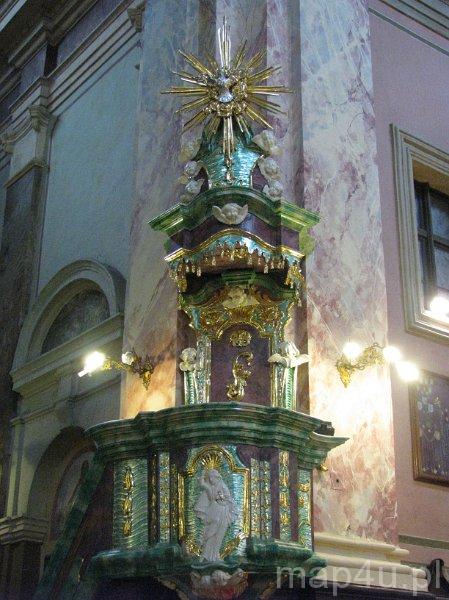
In the basilica there are also other paintings, dated back to the 18th and 19th centuries and placed at the altars. There are also gifts offered by king John III Sobieski after his victory in the battle of Vienna. A richly decorated 18th-century pulpit is also noteworthy.
In the monastery adjacent to the church, visitors can find several 18th and 19th-century paintings and numerous memorabilia collected by the Oratorian priests, which are now exhibited in the parish museum established in 2001.
In the crypts of the basilica there are graves of people connected to the sanctuary, including Zofia Anna Starołęska-Zbąska, one of the main founders of the church, her brother bishop Jan Stanisław Zbąski, the bricklayer Wojciech and the first Oratorians who took care of the temple.
The sanctuary is especially worth of visiting during two major church fairs organized on Whit Sunday (seven weeks after Easter Sunday) and St Michael's Day (the 29th of September). Many pilgrims arrive then and the whole village is celebrating.
One of the most important events in the contemporary history of the sanctuary was the coronation of the miraculous painting of the Holy Mother of Studzianna, which took place on the 18th of August 1968. 150 000 pilgrims took part in the ceremony led by the primate of Poland, cardinal Stefan Wyszyński and cardinal Karol Wojtyła (later pope John Paul II).
The entries in the Voivodeship Heritage Register:
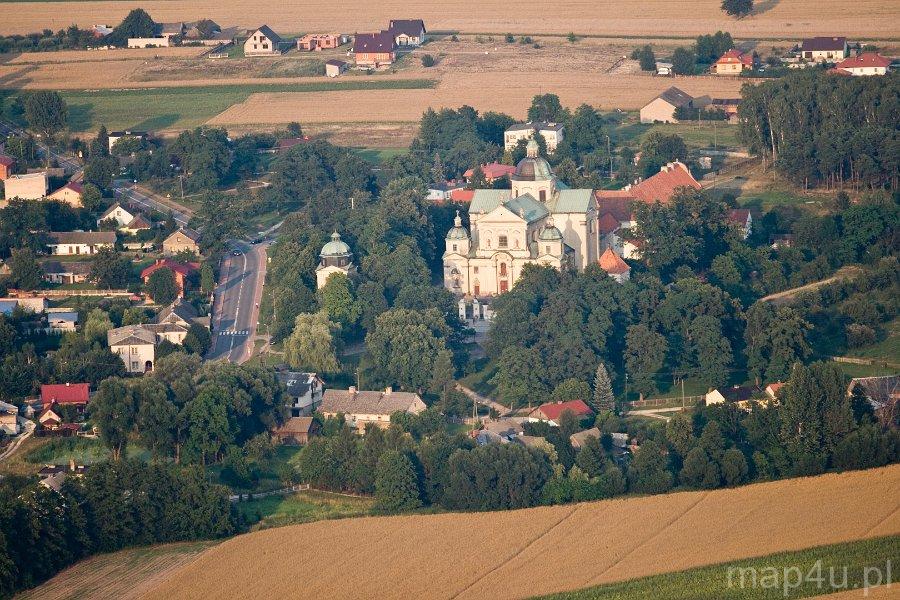
The Oratorian monastery complex is located in the centre of the village of Poświętne, on a small hill. The monumental basilica with the large dome is visible from a distance of many kilometres.
The Basilica is open for visitors all year round. The monastery buildings and the parish museum can be visited after consulting with the church office.
Nater, W. Matka Boża Świętorodzinna w Studziannie. Studzianna-Poświętne, 1989.
Mokras-Grabowska, J and P. Rzeńca. Województwo Łódzkie - Przewodnik Turystyczny. Łódź: ROTWŁ, 2007.
Województwo Piotrkowskie. Przewodnik turystyczny. Łódź, 1978.
http://www.sanktuarium.rodzina.net
Click the text above you want to change to open a text editor.