Trip - Planner
Number of items:
Length of route:
There was a problem with server connection. Please, try again.
The maximum number of added points can not be greater than 20
Do you want to add {0} POIs to planner?
You did not enter a name tour
None journey points set
Zapis wycieczki zakończony powodzeniem.
Zapis wycieczki zakończony niepowodzeniem. Spróbuj ponownie.
The content of the agenda will be replaced. Do you want to continue?
Are you sure you want to delete the contents of the agenda?
Do you want to save trip?
Do you want to remove selected trips?

If You remove your account You will loose all your trips.
Are You sure You wish to remove your account?
Switching your account will remove connection with currently used social portal.
Are You sure You wish to switch your account?
Sign in with your Facebook profile
Sign in with your Google+ profile
Use this site without signing in
Saved data will be accessible only on currently used computer and browser
logo
| Start | |||
| End |

Are you sure you wish to remove current search area?


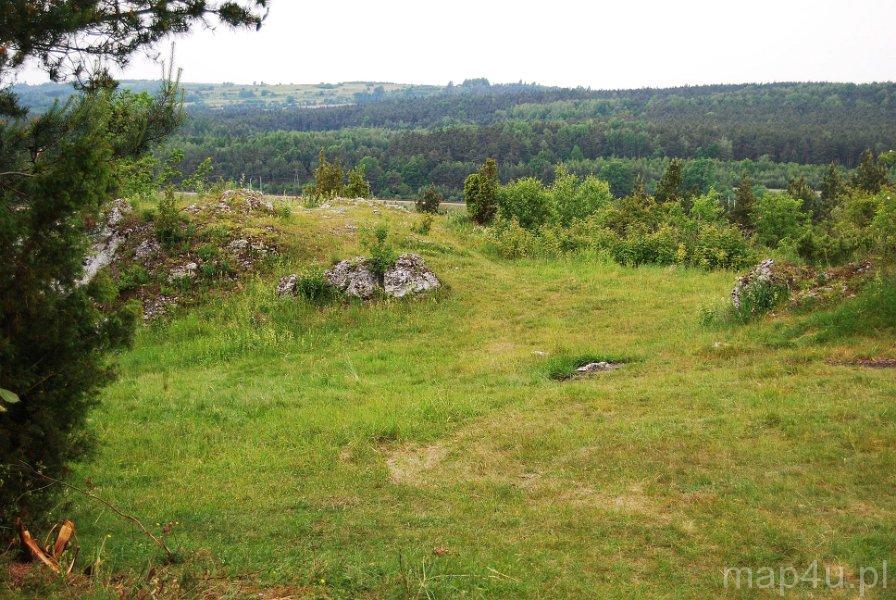
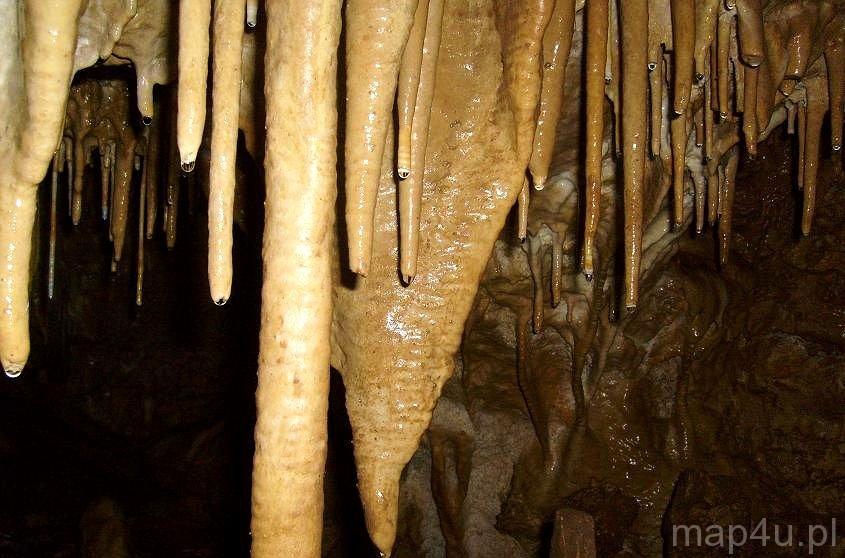
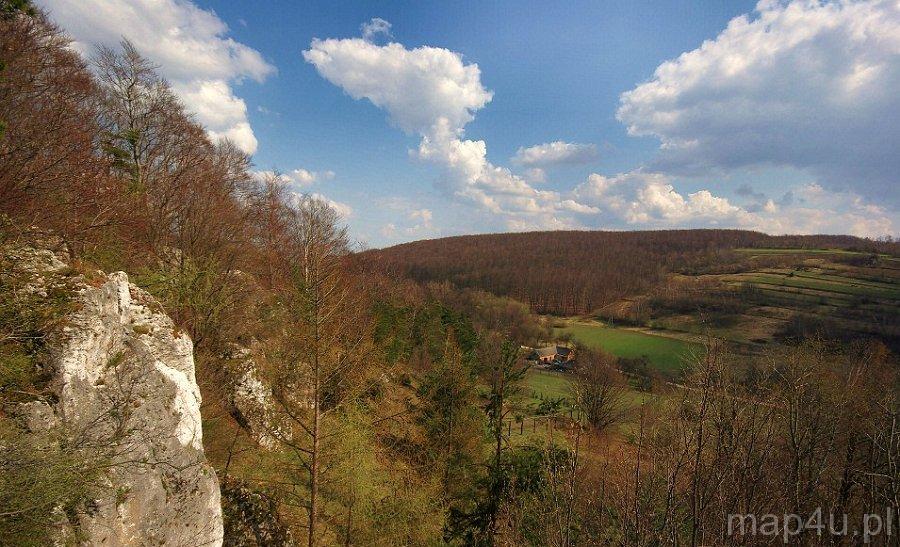
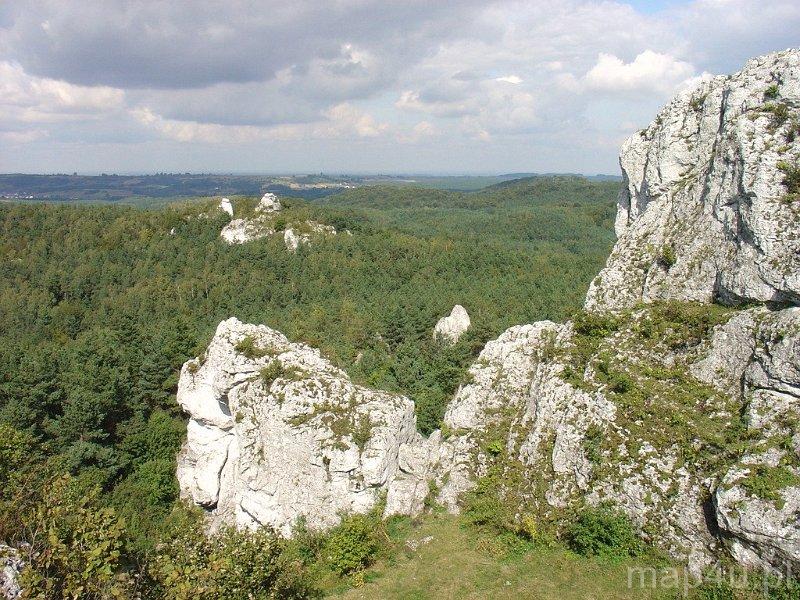
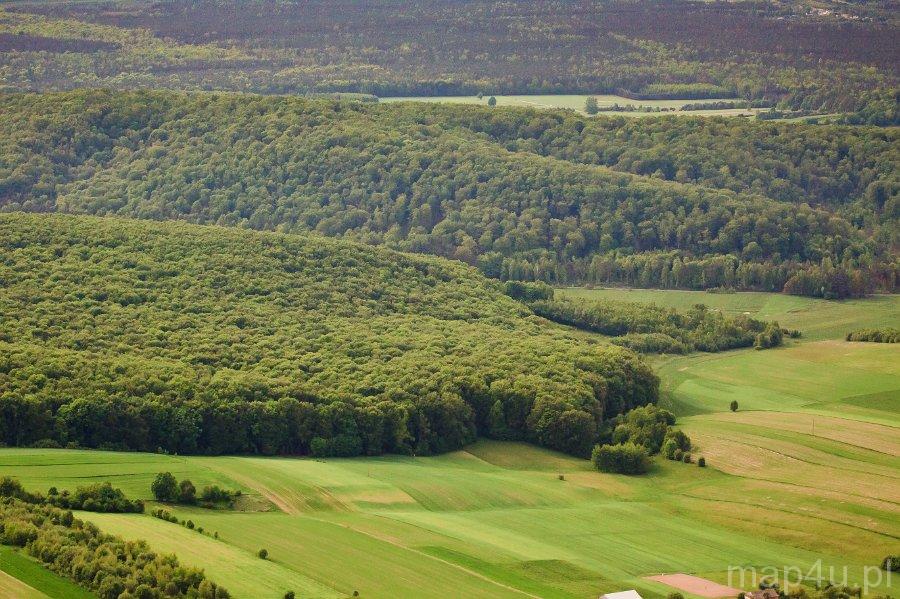
You have just entered the culturally attractive area of Jura Krakowsko-Częstochowska, which centuries-old history is enclosed in a beautiful countryside. Gothic forts, medieval churches, and many hiking trails, leading to the most beautiful corners of the area, make it possible for you to take a break from the hustle and bustle and at the same time experience an unforgettable adventure. As the name suggests, the area lies in the Polish Jura in the Zespół Jurajskich Parków Narodowych (Complex of Jurassic Landscape Parks).
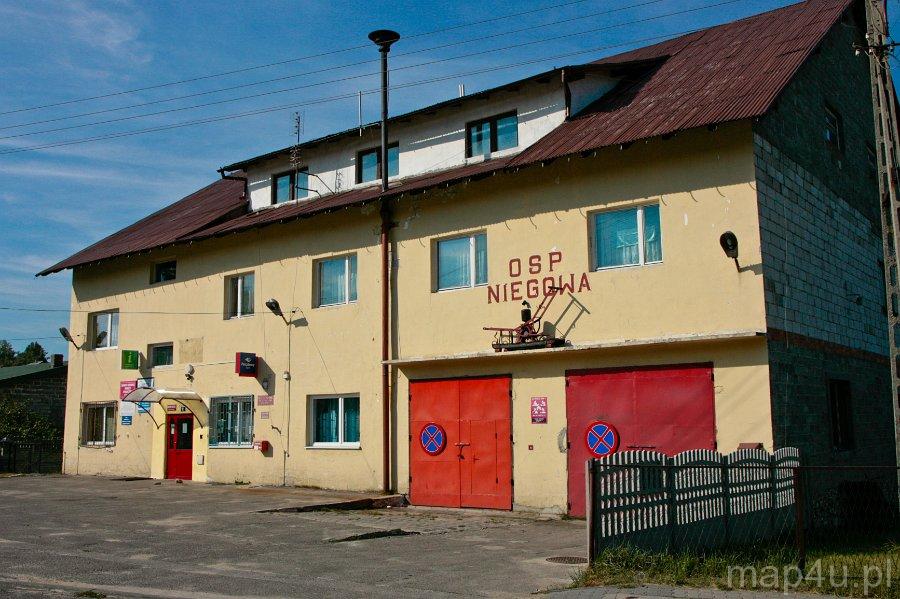
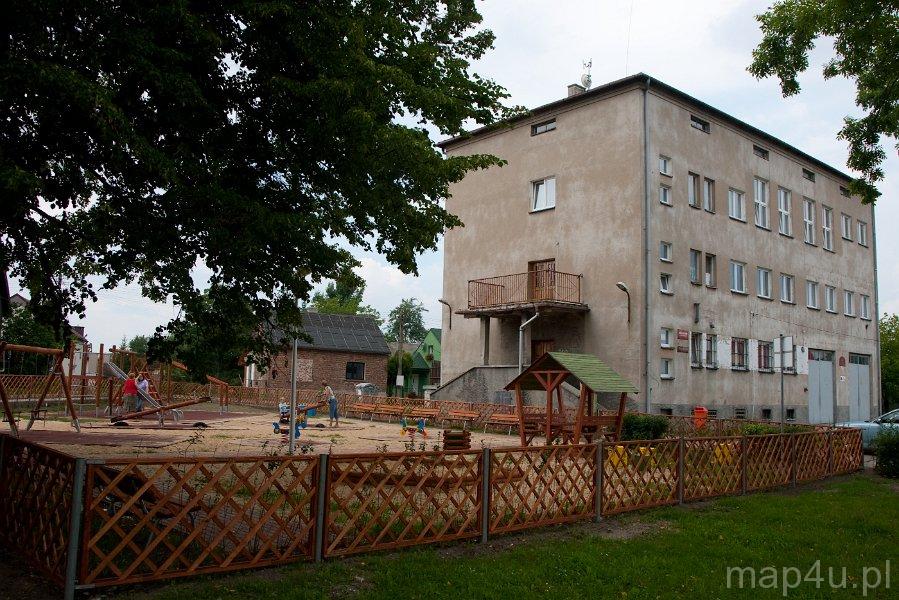
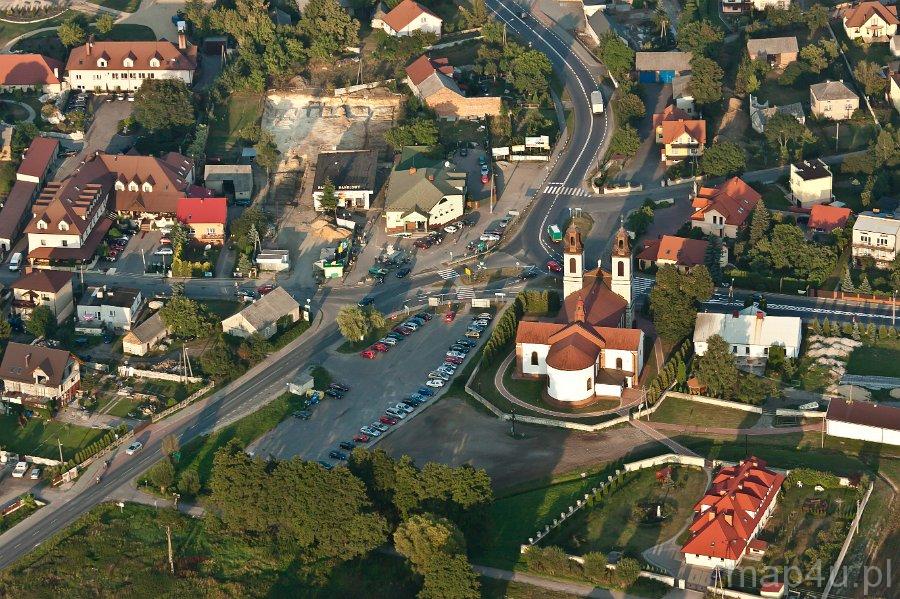
The history of this region is associated with the fate of Włodowice, Kroczyce and Niegowa, which existence and development were influenced by the proximity of two fortified castles in Mirów and Bobolice. Włodowice, according to the legend, once wore a meaningful name Głodowice (głód in polish means hunger). The local people living on a marginal land, land of stones, suffered from privation and starvation. Włodowice gained city rights in the 14th century from the hands of King Kazimierz Wielki. The private nature of the village and the frequent changes of ownership did not encourage the development of Włodowice. Only after the Polesie family took over the city, it got a second life. Cultural and research institutions were created. Michał Poleski founded a private agronomic school, equipped with chemical and physical laboratory. He also created a library of over 10.000 books and documents. The glorious period of Włodowice ended in 1870, when the Russian authorities revoked its city rights. Niegowa and Kroczyce had similar history. Their development was hampered even before, by the Thirty Years' War and the Swedish invasion.
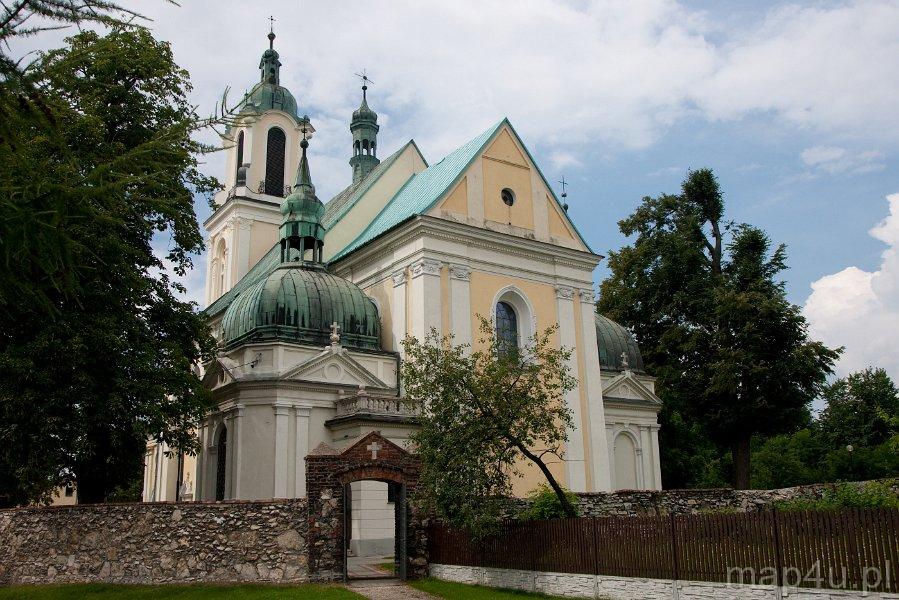
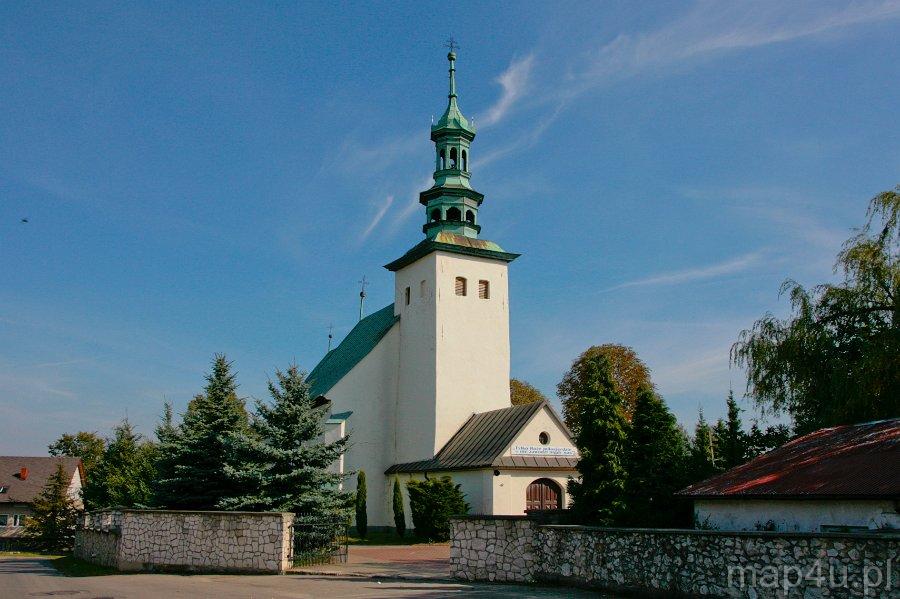
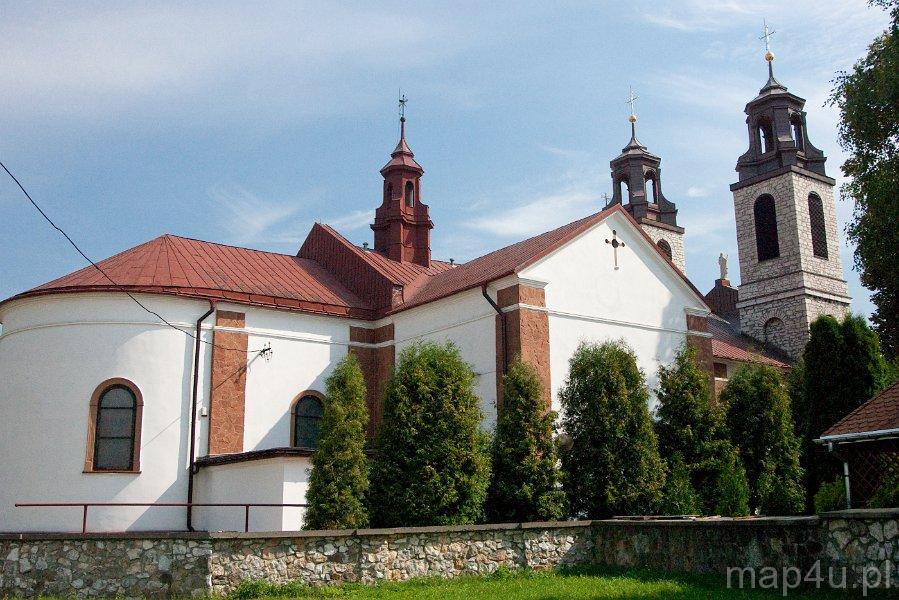
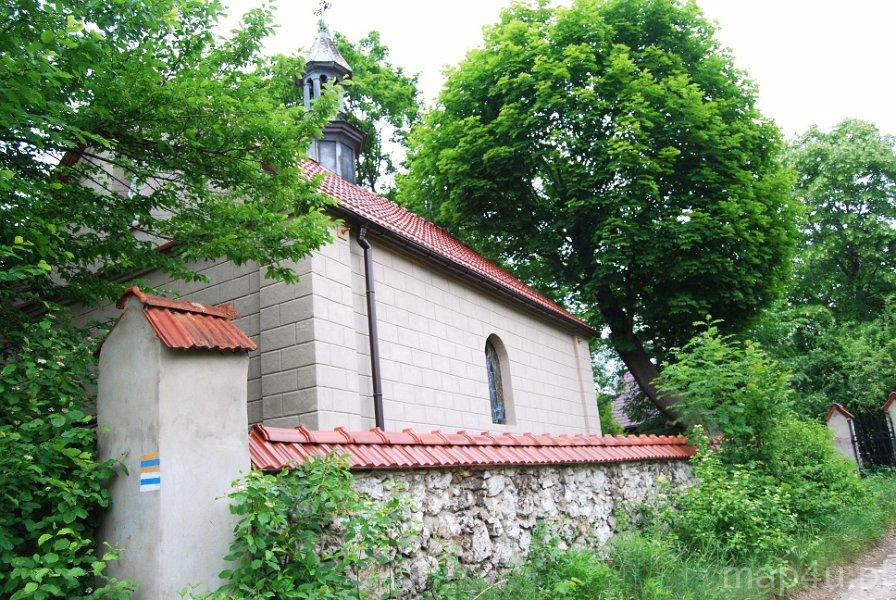
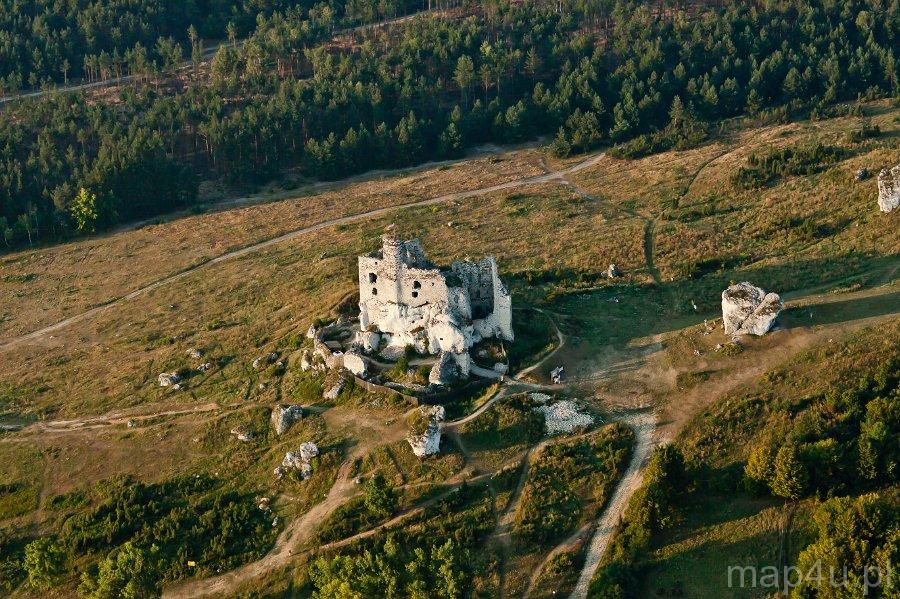
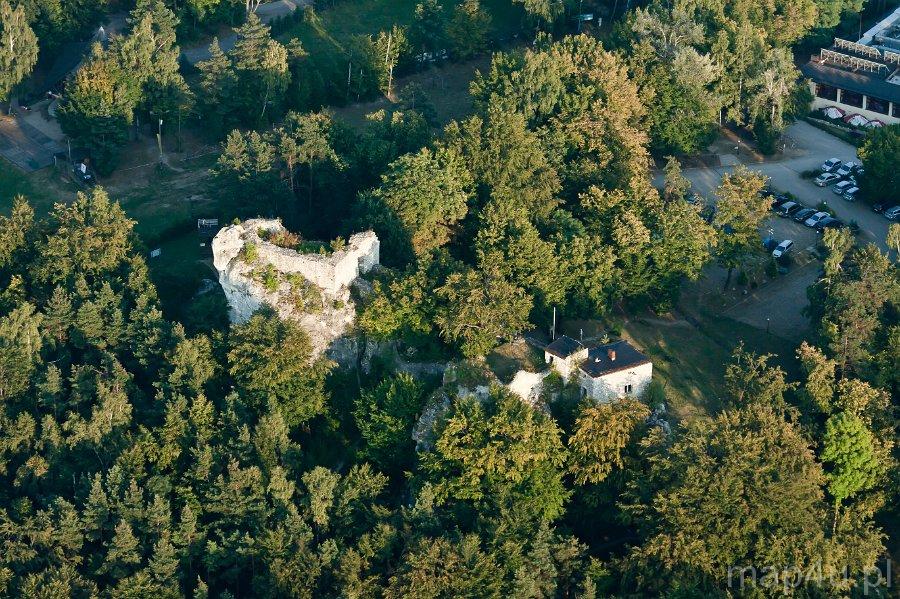
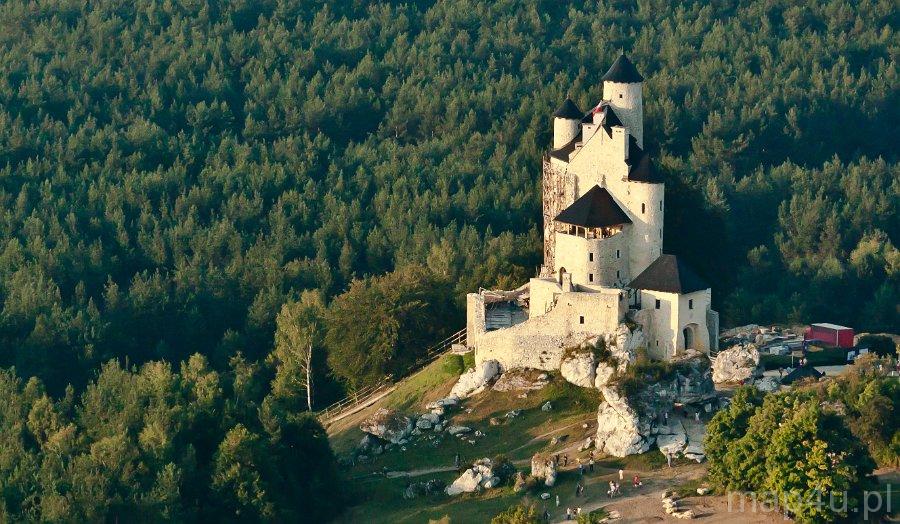
The biggest tourist attraction of the region are the castles in Mirów and Bobolice. The latter is a pearl of medieval architecture, fully reconstructed under the watchful eye of renowned specialists - architects and archaeologists. You can explore the courtyard and a remarkable exposition of melee weapons and armour. Mirów Castle is located on the opposite side of the rock ridge; it is a picturesque and captivating ruin that will touch the imagination of every tourist. When you will finally force yourself to leave this place, we propose you to go to the nearby Niegowa, where it is worth visiting St. Nicholas church, from the 15th century, with well-preserved Renaissance portals and beautiful Baroque and Rococo furnishings. Interesting are the wrought iron door of the 16th century, which come from the castle in Mirów. In Włodowice you can admire St. Bartłomiej church, from the 18th century, which delights with its seven beautiful, Baroque altars. In Kroczyce, in St. Jacek church, you have the rare opportunity to see an altar built of calcite - like in the grotto at the Sanctuary of Lourdes.
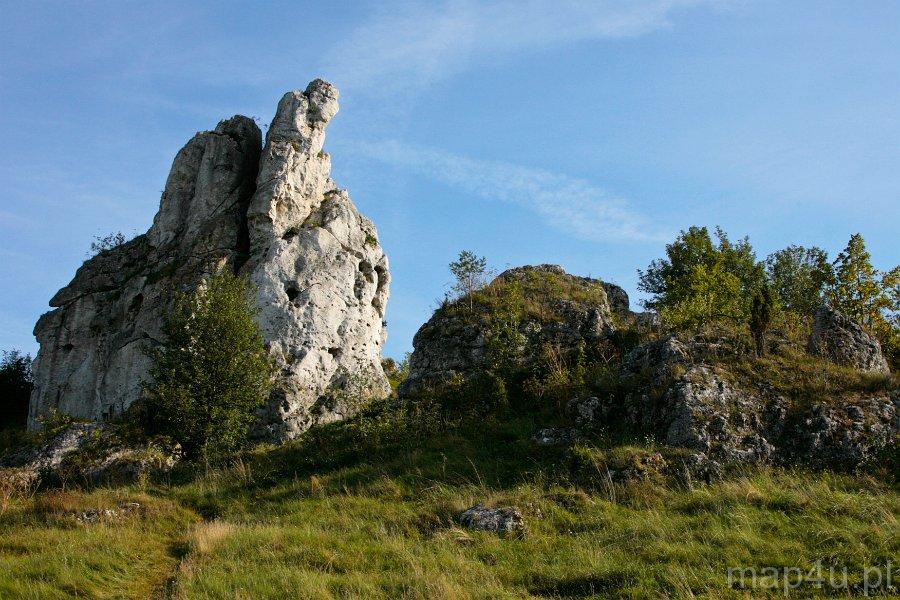
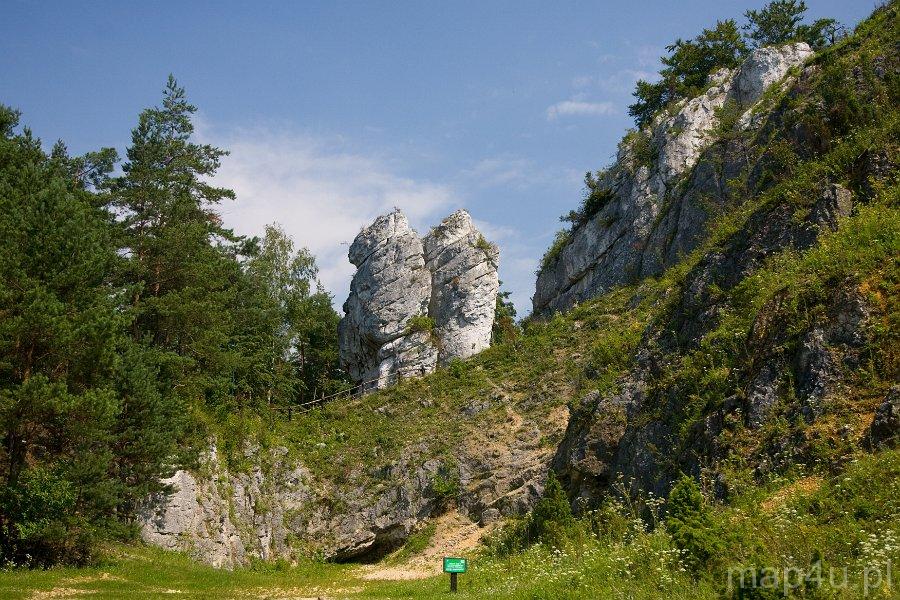
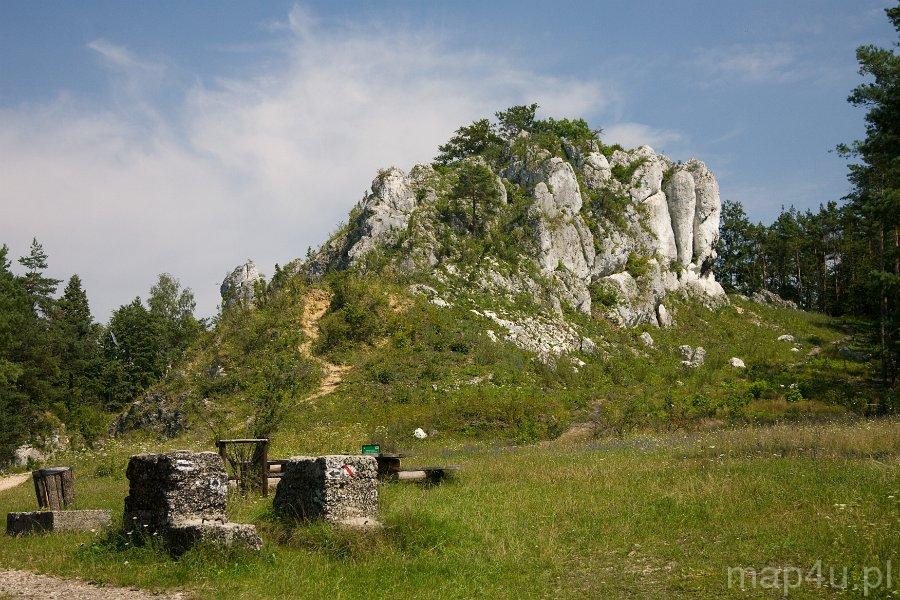
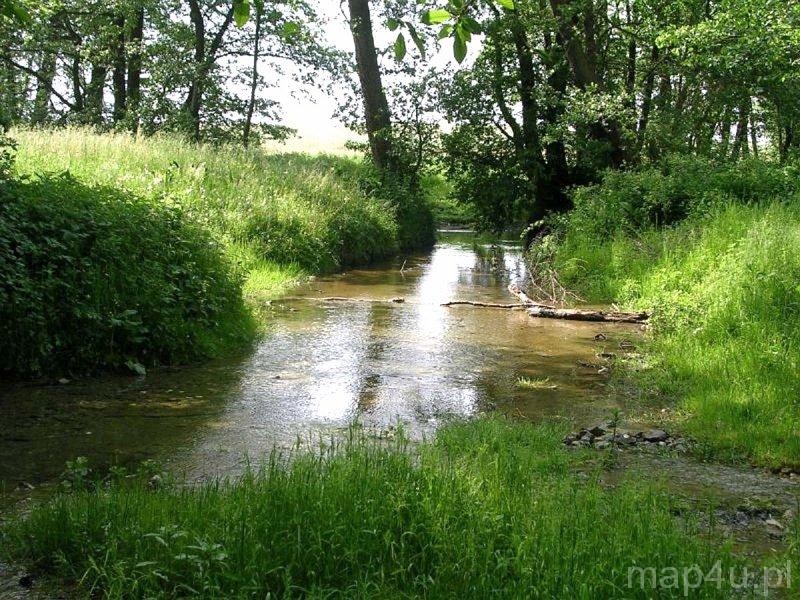
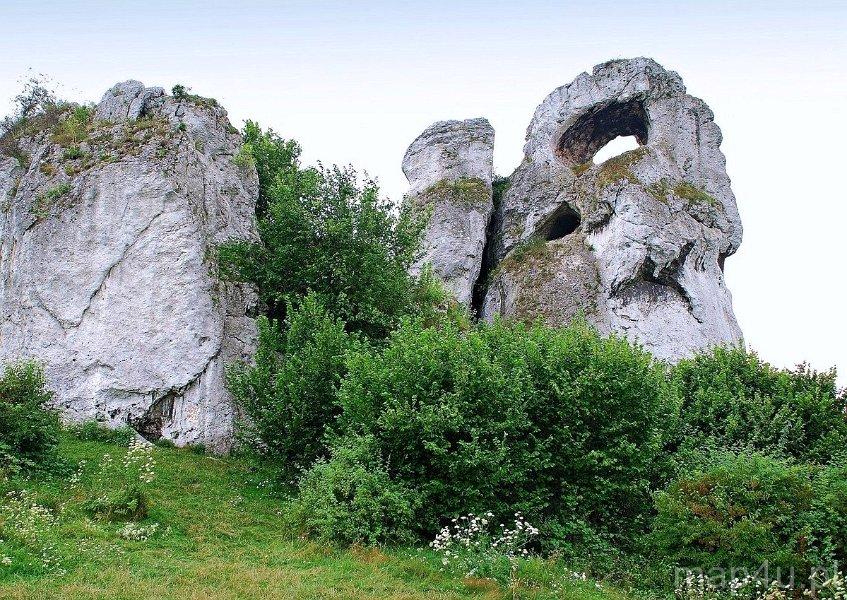
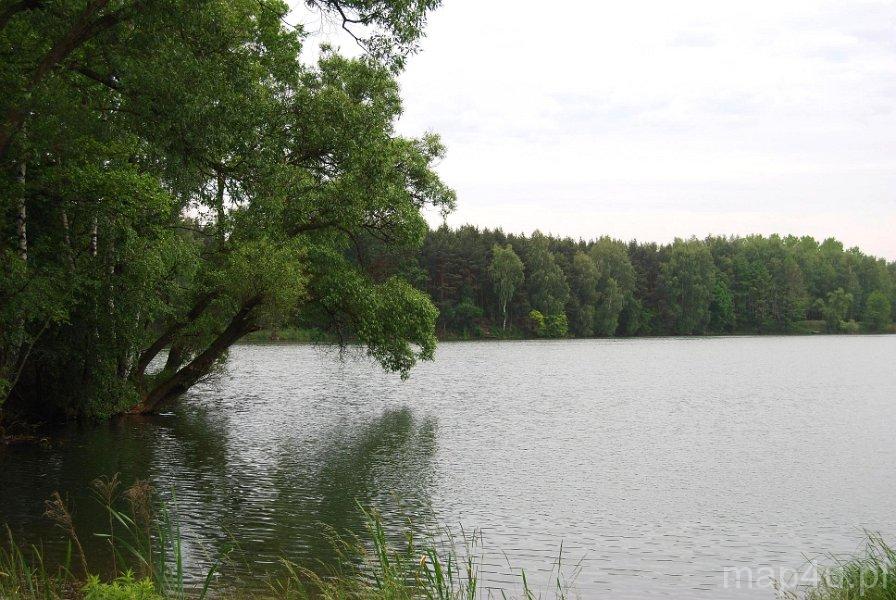
If you will be lucky enough as to have good weather, we suggest you an outdoor relax. There are different rock formations, including one in Rzędkowice, that are ideal for practicing rock climbing. Anglers can capitalise on a number of artificial reservoirs, for example, in the municipality of Włodowice. Throughout the region extend hiking trails that make reaching all attractions of the area very easy.
The culturally attractive area of Jura Krakowsko-Częstochowska is easily accessible in terms of communication. Railway line and road network allow to move freely around the territory. When it comes to the tourist base, neither accommodation nor catering are lacking. They also include specific pearls as the ”Zamek Bobolice” (Castle of Bobolice) hotel and inn (located at the foot of the historic fortress).
For better understanding the Jura Krakowsko-Częstochowska area the best is to spend at least a week-end here. However, if time does not permit, we suggest using the website www.kultura.slask.pl.
.jpg)
.jpg)
.jpg)
.jpg)
-6.jpg)
Click the text above you want to change to open a text editor.